
What does it take to help businesses turn climate awareness into action? For Positive Planet’s Carbon Literacy Trainer, PK, the answer involves staying ahead of changing climate information, navigating the realities of delivering training across different countries and helping people recognise the role they can play in reducing carbon emissions.
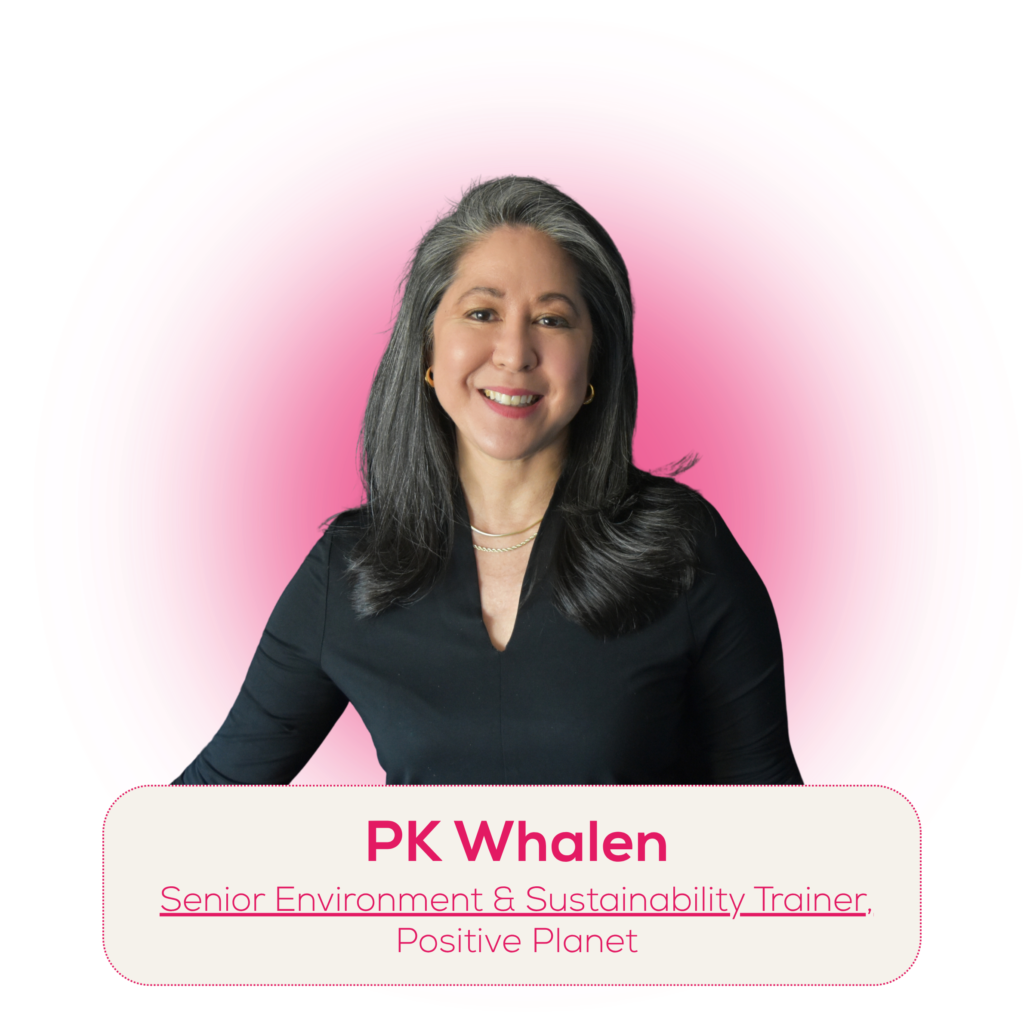
We caught up with PK…
to find out what happens behind the scenes of Carbon Literacy training, the challenges people might not expect and why changing the way people think about climate action can make such a difference.
What does a Carbon Literacy Trainer do?
A Carbon Literacy Trainer helps people understand climate change, its impact on the world around them and what they can do to reduce their carbon emissions.
At Positive Planet, this means delivering training that connects climate science with the realities of people’s working lives. The aim is to help participants understand how their roles influence emissions, identify opportunities for change and feel confident taking practical action.
But delivering effective training involves more than knowing the subject. It requires ongoing research, an understanding of different industries and the ability to make complex information relevant to the people in the room.
For PK, some of the most important work happens before a training session even begins.
What’s one thing that happens almost every day?
“Keeping up-to-date so we are prepared for anything that may come up during a client training session.”
Preparing for a Carbon Literacy session means staying up to date with climate science, environmental policy and the questions people might bring to the training room.
Every organisation has its own priorities, and participants will have different levels of existing knowledge. PK needs to be ready to explore a wide range of topics, respond to questions and help people distinguish reliable information from claims that might be misleading.
That ongoing learning is an important part of making the training useful. It’s not about expecting everyone to become an expert in climate change overnight. It’s about giving people the knowledge they need to understand the issues and make informed decisions in their own roles.
What’s the trickiest part of your job that people might not guess?
There are a few challenges behind the scenes, from keeping up with international environmental policies to navigating unpredictable travel and tackling inaccurate information about climate change.
Keeping up with different regulations
Carbon Literacy training can bring together colleagues working across several countries. A single session might include participants from the UK, US and Canada, each working within different regulatory environments and facing different business priorities.
That means understanding the wider context in which people operate and making sure the training remains relevant across those differences. With multiple time zones to bridge, the preparation can be particularly involved.
The challenge is making the information accessible without losing sight of the detail that matters to each audience.
Being prepared for the unexpected
Delivering training in person also means travelling to clients, sometimes across the country. And anyone who regularly travels by train knows that the journey doesn’t always go to plan.
Between checking Trainline and National Rail updates, finding alternative routes and accounting for weather-related disruption, flexibility is essential. Sometimes it means arriving home much later than expected. Other times, it means accepting that an overnight stay is the most practical option.
It’s an unexpected part of delivering climate education, but it can also be a reminder of how extreme weather affects the transport systems and infrastructure businesses rely on.
Separating climate facts from fiction
Another important part of the role is addressing inaccurate or misleading claims about climate change.
These conversations can be challenging, but they’re also valuable opportunities to explore the evidence, answer questions and help participants develop a clearer understanding of the issues.
Rather than avoiding difficult questions, effective Carbon Literacy training creates space for people to examine what they’ve heard and understand why the facts matter.
Those discussions can be some of the most engaging parts of a session, helping participants move beyond assumptions and think more critically about climate change.
What’s a small win recently?
One recent highlight for PK was delivering training to a group of department heads who had previously been resistant to carbon reduction planning.
Following the session, their response changed considerably. They praised the training and began identifying ways their own roles could contribute to reducing emissions.
It’s an encouraging example of what climate education can achieve. People may initially struggle to see how carbon reduction relates to their responsibilities, particularly if sustainability isn’t part of their job title.
But when they have the opportunity to understand the issues, ask questions and connect the information to their own work, that perspective can change.
For PK, this is exactly why the training matters. It’s not simply about giving people information. It’s about helping them recognise what they can do with it.
If you could clear up one misconception people have about Carbon Literacy, what would it be?
“This isn’t my department.”
It’s easy to assume that climate action belongs to the sustainability team, or that responsibility sits with senior leaders who make decisions about environmental strategy.
In reality, every department has an influence on an organisation’s carbon emissions.
HR teams can shape employee engagement and workplace practices. Sales teams influence customer relationships, while marketing teams make decisions about campaigns, materials and communications. Procurement teams can influence supply chain choices, and operational teams often have first-hand knowledge of where resources are being wasted.
These employees also see things that senior leadership might not. They understand the practical challenges of their roles and can often identify opportunities to work more efficiently or reduce unnecessary waste.
Carbon Literacy helps people recognise the connection between their work and climate change, giving them the knowledge and confidence to identify where they can make a difference.
Climate action doesn’t have to begin with a new strategy or a dedicated sustainability role. It can start with people understanding the impact of the decisions they already make.
Why does Carbon Literacy matter for businesses?
For businesses looking to reduce their emissions, having a sustainability strategy is an important starting point. But making progress also depends on the people responsible for putting that strategy into practice.
Carbon Literacy training helps build a shared understanding of climate change across an organisation. It gives employees the opportunity to explore how their work contributes to emissions, consider where improvements could be made and identify actions relevant to their roles.
That understanding can help businesses bring more people into their sustainability efforts, rather than relying on a small team to drive change alone.
It can also reveal opportunities that might otherwise be overlooked. Employees working directly with customers, suppliers, processes and resources often have valuable insight into how things could be done differently.
When people understand the reasons for change and feel equipped to contribute, climate action becomes something the whole organisation can work towards.
Helping people turn knowledge into action
For PK, the value of Carbon Literacy training lies in helping people see climate action differently.
From answering difficult questions to working with participants who are initially sceptical, the role is about making climate change relevant to people’s lives and giving them the confidence to take the next step.
And when someone who previously thought carbon reduction had nothing to do with their job begins identifying ways they can contribute, it shows how powerful that shift in understanding can be.
Want to build Carbon Literacy across your organisation?
Positive Planet delivers Carbon Literacy training to help businesses build climate awareness, engage employees and identify practical ways to reduce emissions.
Take a look at our upcoming courses to find out how our Carbon Literacy training could support your organisation.