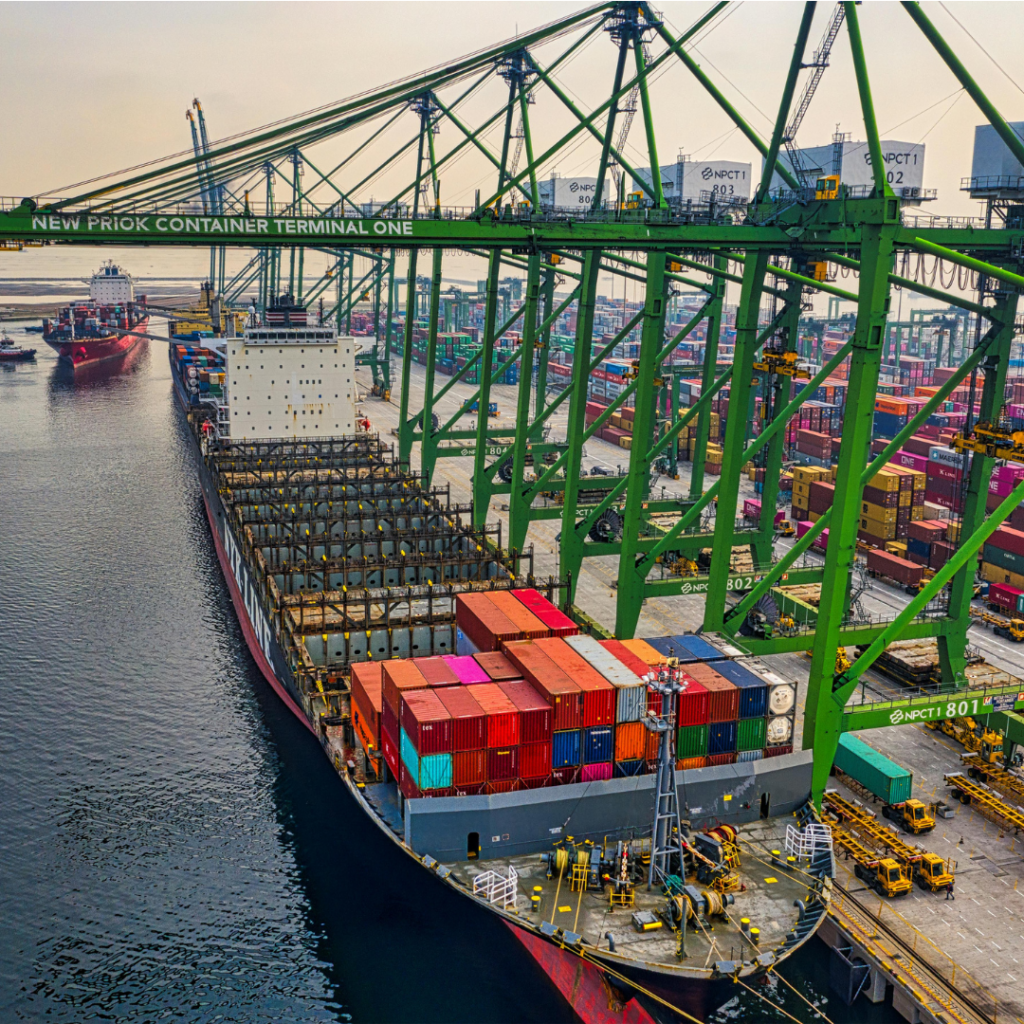
Most businesses have tackled their direct emissions, but for the majority of companies, the biggest impact sits further along the chain, in the goods they buy, the services they use, and what happens after their products leave the door.
Scope 3 emissions are the indirect emissions connected to a company’s activities. They aren’t produced on-site or through purchased energy, but come from everything else: suppliers, logistics, employee commuting, product use, and disposal. For most businesses, Scope 3 accounts for more than 70% of their total carbon footprint. That figure can climb even higher in manufacturing, retail, and financial services.
The Greenhouse Gas Protocol divides Scope 3 into 15 categories. Some will apply to your business, but some won’t.
The first step is understanding what each one covers.
Upstream Categories
These cover emissions that happen before goods or services reach your business.
Category 1: Purchased goods and services:
The emissions are embedded in everything you buy to run your business. Raw materials, components, office supplies, software subscriptions, and professional services. For a food manufacturer, for example, this might mean the wheat, packaging, and refrigeration units it purchases each year.
Category 2: Capital goods
The emissions from producing the long-life assets your business buys. Machinery, vehicles, buildings, and equipment. A logistics company, for example, would account for the manufacturing emissions of its new delivery fleet here.
Category 3: Fuel and energy-related activities:
Emissions not already captured in Scope 1 or 2. This includes the extraction, production, and distribution of fuels and electricity your business uses, as well as transmission and distribution losses. A construction firm would include the upstream emissions from extracting and refining the diesel it uses on-site.
Category 4: Upstream transportation and distribution:
The emissions from moving goods to your business, including third-party logistics, freight, and storage. A retailer would track the road freight used to deliver stock from overseas suppliers to its UK warehouses.
Category 5: Waste generated in operations:
Emissions from the disposal and treatment of waste your business generates. Landfill, incineration, recycling, and wastewater all count. A hotel chain, for example, would calculate emissions from food waste sent to landfill across its properties.
Category 6: Business travel
Emissions from flights, rail, and cars are used by employees for work. This does not include the daily commute. A consultancy would capture the carbon impact of client-site visits, conferences and events here.
Category 7: Employee commuting
The emissions from your employees travelling between home and the workplace, including an allowance for home working energy use. Many businesses gather this data through staff surveys.
Category 8: Upstream leased assets:
A business would include emissions from leased assets here only where they are not already captured in Scope 1 and 2, for example, where it does not have operational control over the asset. A business leasing its own office space would include energy use from those buildings here.
Downstream categories
These cover emissions that happen after your goods or services leave your business.
Category 9: Downstream transportation and distribution
Emissions from moving your products to customers, retailers, or end users after they leave your facility. A consumer goods brand would calculate the carbon cost of last-mile delivery to customers here.
Category 10: Processing of sold products:
Emissions from further processing of your products by a third party before they reach the end user. This is most relevant for manufacturers selling intermediate goods. A steel producer, for example, would account for the energy used by fabricators who cut and weld its steel into finished parts.
Category 11: Use of sold products
The emissions generated by customers when they use your product. This is often the largest Scope 3 category for energy-intensive products. A boiler manufacturer would calculate the lifetime gas combustion emissions of every unit it sells.
Category 12: End-of-life treatment of sold products:
Emissions from disposing of your products after customers are finished with them. A clothing brand would estimate the landfill and incineration emissions from garments at the end of their life.
Category 13: Downstream leased assets:
Emissions from assets your business owns but leases to others, not already captured in Scope 1 and 2. A commercial property company would account for the energy emissions from office buildings it owns and leases to tenants.
Category 14: Franchises:
For franchisors, the Scope 1 and 2 emissions of franchisee operations not already reported by the franchisor. A national gym franchise, for example, would calculate the energy use of independently operated franchise sites.
Category 15: Investments
Emissions associated with a company’s investments. Most relevant for financial institutions, private equity firms, and pension funds. A bank would calculate the financed emissions of its commercial lending portfolio here.
Where to start?
Not every category will be relevant to your business. The Greenhouse Gas Protocol identifies certain categories as likely to be significant depending on your sector. Categories 1, 11, and 15 tend to be the largest for most companies.
A good first step is a Scope 3 screening, which gives you a rough picture of which categories are material for your organisation, so you can focus your measurement effort where it will make the biggest difference.
If you’re ready to go further, we can measure your carbon footprint end to end. Our standard carbon footprint measurement includes all upstream Scope 3 categories, giving you a full picture of where your emissions sit and where the biggest opportunities for reduction are. To understand where your Scope 3 emissions might sit, or for a good place to start, take the Sustainable Supply Chain Risk Assessment for an overview in less than 5 minutes, and learn how we can help.
Looking for Scope 3 Support for your business?
After taking our assessment, you can set targets, engage your supply chain, and build a credible reduction plan. You don’t need perfect data to get started! Progress matters more than precision at this stage, and we can help.